Source Agriculture Grade Magnesium Sulphate for Fertilizer, Feed, and Industry
Compare 30 verified suppliers of agriculture grade magnesium sulphate for fertilizer, feed, and industrial applications. Buyers can review purity levels, grades, and packaging options to find the right match for their needs; compare the available evidence and request quotations based on your requirements.
Key considerations
Products List



Comprehensive Sourcing Guide
Agriculture Grade Magnesium Sulphate Sourcing Guide
Procuring magnesium sulphate for agricultural applications requires distinguishing between specific grade classifications available in the market, such as Fertilizer Grade, Feed Grade, and Agricultural Grade. Buyers must verify that the supplier explicitly lists the intended application, as the product data indicates distinct material grades including Industrial, Food, and Bath varieties. Selecting the correct grade ensures the chemical composition aligns with crop nutrient needs without introducing contaminants unsuitable for soil or livestock feed.
The observed product listings reveal a wide range of purity levels, typically spanning from 90% to 99%, with specific assays reaching 99.22% for certain batches. Sourcing decisions should prioritize suppliers who provide clear assay data for magnesium content, noting that values like 17.23% or 9.6-9.7% may refer to elemental magnesium rather than total compound purity. Understanding these numerical distinctions prevents the purchase of under-concentrated materials that fail to deliver the expected agronomic benefits for soil amendment or foliar feeding.
Product Scope and Observed Listing Signals
The product scope for agricultural magnesium sulphate encompasses both anhydrous forms and heptahydrate variants, each serving different solubility and application requirements. Listings frequently describe the material as a white powder with easy solubility, which is critical for rapid uptake by plants. Buyers should confirm whether the specific listing refers to Magnesium Sulfate Anhydrous or the Heptahydrate form, as the hydration state significantly impacts storage stability and dissolution rates in irrigation systems.
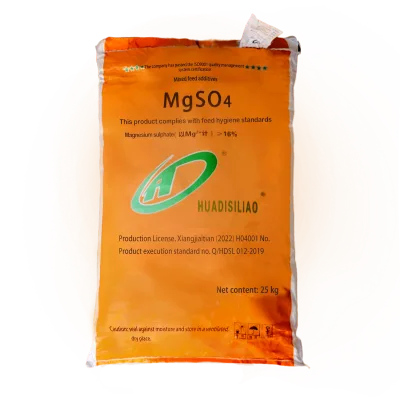
Physical appearance and packaging are key signals of product quality, with observations noting standard PP bags in 25kg, 50kg, or 1000kg configurations. Customizable packing options are available, allowing buyers to align logistics with their specific distribution channels or on-farm storage capabilities. However, the presence of varying mesh sizes, such as 20-80 mesh or 80-120 mesh, suggests that particle size is a variable attribute that must be matched to the intended application method, whether for granular spreading or liquid suspension.
Technical Specifications to Verify
Technical verification must begin with the chemical formula and elemental composition, specifically confirming the MgSO4 content and the percentage of elemental magnesium. Reliable suppliers provide assay results that align with the observed ranges, such as 86.14% for MgSO4 or specific magnesium percentages, ensuring the product meets the stoichiometric requirements for effective nutrient delivery. Buyers should request batch-specific test reports to validate that the actual composition matches the advertised specifications rather than relying solely on general product descriptions.
Particle size and physical form are equally critical technical parameters that influence application efficiency and uniformity across large agricultural fields. The availability of different mesh grades indicates that the product can be tailored for specific machinery or soil types, but the buyer must explicitly define these requirements during the inquiry phase. Verifying the exact mesh range prevents issues with clogging in spreaders or uneven distribution, which can lead to localized nutrient deficiencies or excesses that harm crop yield.
Compliance and Safety Documentation
Compliance documentation is essential for agricultural chemicals, with ISO and CIQ certifications appearing as standard markers of quality assurance in the observed listings. These certifications indicate that the manufacturing process adheres to international management standards and inspection protocols, which is vital for maintaining soil health and preventing the introduction of heavy metals or impurities. Buyers should request current copies of these certificates to ensure they remain valid and cover the specific production batch being purchased.
Safety data sheets and grade-specific compliance are necessary to confirm the material is suitable for its intended agricultural use, whether for direct soil application or feed supplementation. The distinction between Industrial Grade, Food Grade, and Agricultural Grade implies different purity thresholds and safety profiles that must be clearly documented. Procurement teams must verify that the supplier provides documentation confirming the product meets the specific regulatory requirements for the target market, ensuring legal compliance and operational safety.
Cost Drivers and Commercial Terms
Cost drivers for magnesium sulphate are heavily influenced by the grade standard, purity level, and packaging configuration selected by the buyer. Higher purity grades, such as those approaching 99% or USP standards, typically command a premium over industrial or fertilizer grades, reflecting the additional refining processes required. Buyers should analyze the price per unit of active ingredient rather than the total package price to ensure they are receiving value proportional to the chemical concentration and quality.
Commercial terms regarding minimum order quantities and lead times vary significantly, with observed MOQs ranging from 1 to 2000 units depending on the supplier and product type. Flexible packaging options, including customizable bags or bulk containers, can impact the final landed cost by reducing handling and storage expenses. Negotiating these terms requires a clear understanding of the buyer's consumption rate and storage capacity to optimize inventory turnover and minimize capital tied up in stock.
Supplier Qualification and Quality Control
Supplier qualification should focus on their ability to provide consistent product specifications across multiple batches, as indicated by the varying purity and grade standards in the market. A reliable supplier will demonstrate a robust quality control system that includes regular testing for magnesium content, solubility, and physical appearance to ensure consistency. Buyers should inquire about the supplier's internal testing protocols and whether they utilize third-party laboratories to validate their product claims before shipment.
Quality control extends to the packaging integrity and labeling accuracy, which are critical for maintaining product stability during transit and storage. The observed use of PP bags and customizable packing solutions suggests that suppliers have the infrastructure to protect the product from moisture and contamination. Procurement teams must verify that the supplier's quality assurance processes include checks for correct labeling of grade standards, such as Agriculture Grade or Feed Grade, to prevent misapplication and potential regulatory violations.
Long-Term Procurement Checks
Establishing a long-term procurement relationship requires regular audits of supplier performance against agreed-upon technical and compliance specifications. Buyers should implement a schedule for periodic re-testing of incoming shipments to verify that the magnesium content and purity levels remain within the contracted ranges over time. This proactive approach helps identify any drift in manufacturing quality early, allowing for corrective actions before significant crop or operational impacts occur.
Continuous monitoring of market trends and supplier certifications ensures that the procurement strategy remains aligned with evolving agricultural standards and regulatory requirements. As the industry shifts towards more sustainable and precise nutrient management, buyers must stay informed about new grade standards or certification updates that may affect their supply chain. Maintaining open communication with suppliers regarding these changes facilitates a resilient supply chain capable of adapting to new demands without disrupting agricultural operations.
FAQs
What grades of magnesium sulfate are available for agricultural use?
Agricultural grade magnesium sulfate is available alongside industrial, food, feed, and bath salt grades. The product offers high purity levels of 99% or higher, with specific assay values around 99.22%. Buyers can choose between heptahydrate and anhydrous forms, ensuring the correct chemical composition for crop nutrition and soil amendment needs.
How is the product packaged for bulk shipment?
The product is packaged in 25kg, 50kg, or 1000kg bags, typically using PP bags for durability. Customizable packaging options are available to meet specific customer requirements. This flexible packaging ensures safe handling and storage, making it suitable for large-scale agricultural applications and industrial distribution channels across different regions.
Can the magnesium sulfate be customized for specific needs?
Yes, customization is available for various product specifications and packaging requirements. Buyers can request specific mesh sizes, such as 20-80 mesh or 80-120 mesh, to suit their application. The supplier supports tailored solutions, allowing for adjustments in purity, form, and packaging to align with precise agricultural or industrial standards.
What certifications does the magnesium sulfate hold?
The product holds ISO, RoHS, CIQ, and CCIC certifications, ensuring quality and compliance. These credentials verify that the magnesium sulfate meets international standards for safety and performance. Buyers can rely on these certifications for regulatory compliance in various markets, particularly when sourcing from China for global agricultural or industrial supply chains.
What is the purity level of the agricultural grade product?
The purity level is typically 99% or higher, with some batches assaying at 99.22%. The magnesium content ranges from 9.6% to 17.23%, depending on the specific grade and form. This high purity ensures effective nutrient delivery for crops, making it a reliable choice for fertilizer applications and soil enrichment programs.